
How Residential Electricians Handle Home Rewiring
The process of rewiring a home is a crucial undertaking that ensures the safety and efficiency of a residential electrical system. Over time, homes may require rewiring due to aging infrastructure, safety concerns, or the need to accommodate modern appliances and technology. A qualified residential electrician is essential for carrying out this complex task, bringing both expertise and assurance that all necessary procedures are performed correctly and safely. A professional electric overhaul can provide homeowners with peace of mind while enhancing the overall functionality and energy efficiency of their home.
1. Initial Assessment and Planning
1.1 Conducting a Thorough Home Inspection
The first step in a home rewiring project involves conducting a comprehensive home inspection to assess the current state of the electrical system. This initial evaluation is essential to identify any potential hazards or areas of concern that may require attention. A residential electrician carefully examines outlets, circuits, panels, and wiring to gauge the extent of the work needed. They may utilize specialized tools to test the integrity of existing components and ensure everything is functioning correctly. This assessment forms the foundation for developing a tailored rewiring plan that addresses specific issues identified during inspection. According to This Old House, if you’re purchasing a home, especially one over 50 years old, or have never had the wiring inspected, hiring a licensed electrician for a thorough evaluation is recommended.
During the inspection process, electricians also pay close attention to the age and type of wiring present in the home. Outdated wiring systems, such as knob-and-tube or aluminum wiring, can pose significant safety risks, prompting the need for replacement. By evaluating the existing infrastructure, electricians can recommend appropriate updates or replacements as part of the rewiring project.
1.2 Identifying Electrical System Needs
Once the inspection is complete, identifying the specific electrical needs of the home becomes the next critical step. This phase involves pinpointing areas that require new wiring, additional outlets, or upgraded panels to meet both current and future electrical demands. Residential electricians leverage their expertise to determine the most efficient layouts and solutions tailored to the unique characteristics of the home. Their role is to ensure both functionality and safety by meeting modern electrical standards and requirements.
A necessary component of identifying an electrical system's needs is understanding the homeowner’s usage patterns and potential future demands. For instance, homes with plans for significant technological upgrades, such as the addition of smart home features, will require tailored solutions to support such advancements. By forecasting these needs, electricians can install the infrastructure required for seamless integration with future technologies.
1.3 Developing a Rewiring Plan
With a thorough understanding of the home's current electrical status and future needs, the next step involves developing a detailed rewiring plan. This plan outlines all necessary actions, from wire replacement to outlet installation, ensuring each component is addressed comprehensively. A residential electrician creates a blueprint that clearly maps out each step of the rewiring process to maintain an organized and efficient project flow. This plan also serves as a guide for maintaining compliance with safety regulations and standards, which is crucial for both legal and safety reasons.
2. Safety Precautions and Preparations
2.1 Turning Off Power Supply
Before commencing the actual rewiring process, one of the crucial safety steps is the complete shutdown of the home’s power supply. This precaution is essential to prevent electrical shocks or accidents during the removal and installation phases. Electricians ensure that the power is turned off at the main circuit breaker, checking all circuits to confirm they are no longer live.
Residential electricians are trained to handle these procedures with utmost precision to eliminate any risks associated with working on live circuits. Their expertise ensures that homeowners and other personnel involved in the project are protected from electrical hazards. This precaution also prevents potential damage to the new wiring and electrical components being installed. A detailed double-check system is employed to confirm all necessary circuits are deactivated before any work begins, maintaining a zero-electrocution environment.
2.2 Testing Old Wiring Conditions
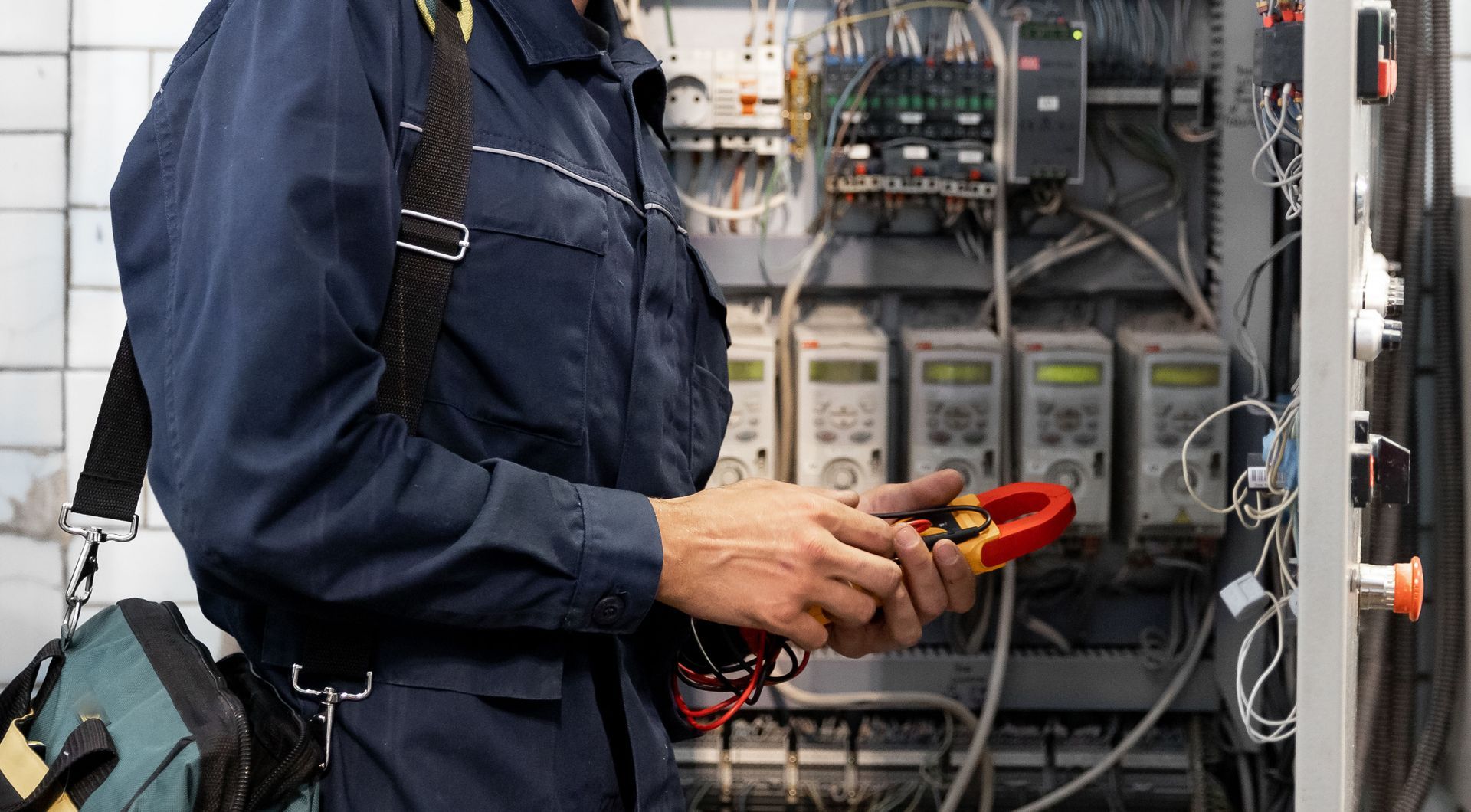
Once the power is securely turned off, electricians proceed to examine the condition of the existing wiring. This testing phase is vital to understand the existing wiring’s integrity and identify any hidden issues that might not have been apparent during the initial inspection. Electricians utilize specialized tools to test for signs of wear and tear, corrosion, or previous damage within the wiring system. Identifying these problems early on allows for adjustments in the rewiring plan to address any additional risks.
Understanding the condition of existing wiring also helps electricians determine the safest and most efficient methods for removal. This testing phase provides a roadmap for navigating around or through problematic areas without compromising safety. Any discrepancies or potential hazards faced during this phase are documented and communicated to the homeowner for transparency and mutual understanding.
2.3 Preparing Tools and Equipment
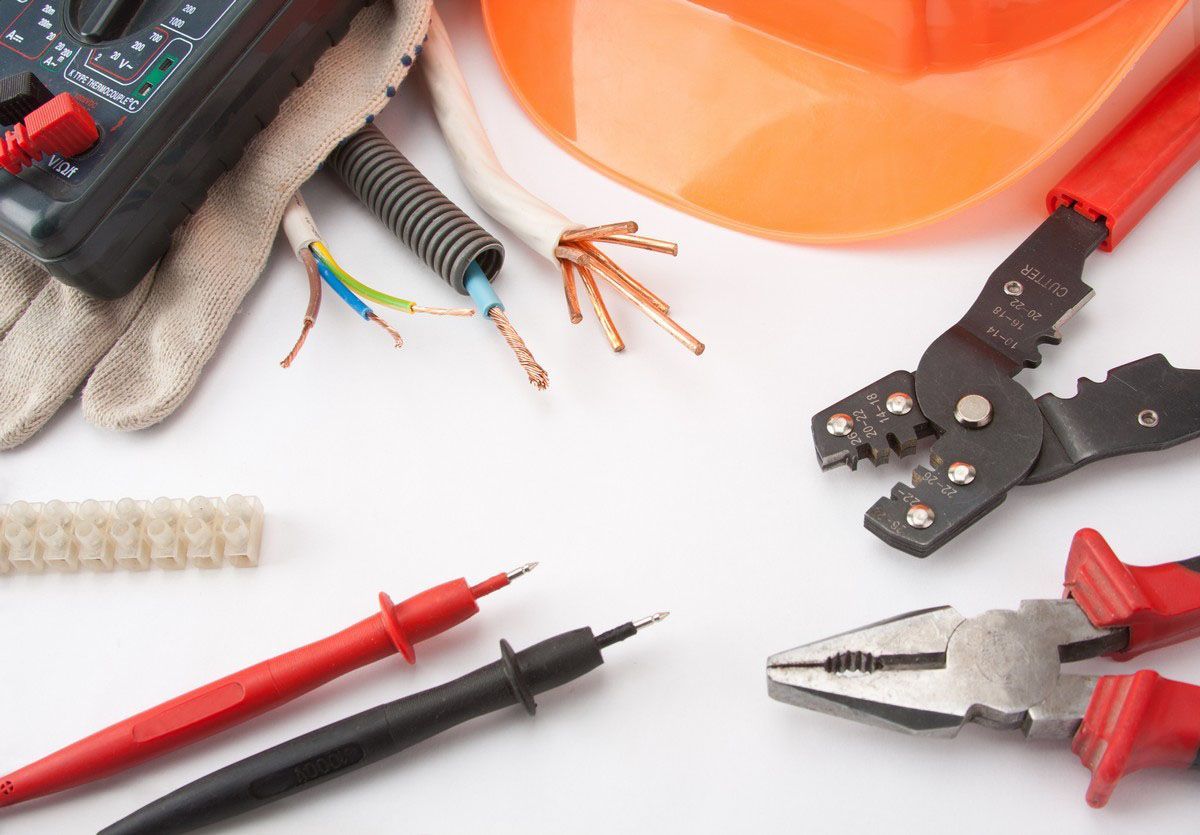
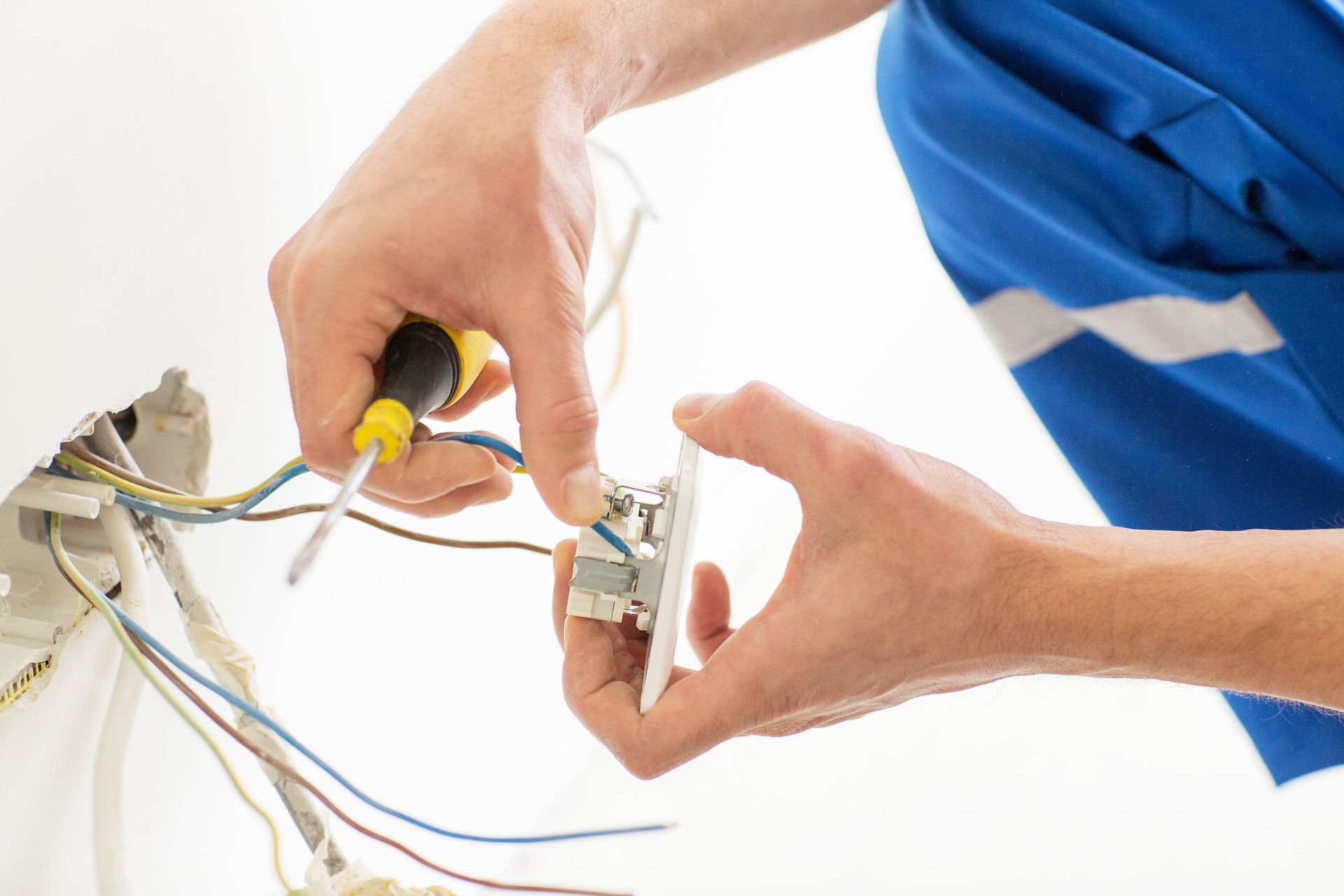
Before starting the removal and installation process, a residential electrician prepares all necessary tools and equipment to ensure smooth progress. Preparation involves selecting appropriate tools and equipment that facilitate the safe and efficient removal of old wiring and installation of new components. Residential electricians rely on a variety of specialized tools, from wire strippers and multimeters to conduit benders and cable testers, each serving a specific function in the rewiring process.
3. Removal of Old Wiring
3.1 Mapping Out Existing Wiring
Before the removal of old wiring begins, electricians focus on meticulously mapping out the existing wiring network within the home. This mapping provides a comprehensive understanding of the present layout, facilitating the preparation of an effective strategy for wire removal. Through this blueprint, electricians gain insights into the routing of wires through walls, ceilings, and floors, reducing the likelihood of overlooking critical connections or inadvertently damaging structural elements.
3.2 Safely Extracting Old Wires
After the mapping phase, the meticulous process of extracting old wires begins, a task where precision and caution take precedence. A residential electrician uses carefully honed techniques and appropriate tools for wire extraction to minimize potential damage to structural elements and the home's aesthetic features. Their vast experience guides them through the dismantling of outlets, junction boxes, and other components connected to the old wiring, ensuring each step is executed with thorough professionalism.
Electricians prioritize using methods that preserve the integrity of surrounding materials, such as drywall, insulation, and woodwork, minimizing the potential for collateral damage. This approach safeguards the home’s existing structure, ensuring any post-rewiring repairs or touch-ups are kept to a minimum. Electricians’ attention to detail during wire extraction reflects their commitment to delivering effective rewiring services without imposing unforeseen burdens on homeowners.
3.3 Managing Hazardous Materials
The removal process often involves encountering hazardous materials, which must be managed carefully to uphold both safety and environmental responsibility. Electricians are knowledgeable about how to identify and handle materials such as asbestos, lead, or aging insulation that might be present within the home’s structure. Specialized training and equipment help electricians safely manage these materials, protecting both themselves and the home’s occupants throughout the removal process.
Residential electricians frequently collaborate with environmental safety specialists when necessary, ensuring that the safe handling and disposal of hazardous materials are in line with statutory and regulatory mandates. By engaging specialists, electricians reinforce their commitment to ethical and safe practices, minimizing environmental impact and safeguarding public health.
Rewiring a home is a detailed, multi-step process that demands careful planning, strict safety measures, and skilled execution. From the initial inspection to the safe removal of old wiring and preparation for new installation, each phase plays a critical role in ensuring a reliable and up-to-date electrical system. By working with a qualified residential electrician, homeowners can be confident that their electrical infrastructure is not only compliant with current standards but also built to support modern living demands.
Upgrade your home’s safety and performance with expert rewiring from Jad Electrical. Contact our team today for a thorough inspection and reliable residential electrical solutions.

Share On: